
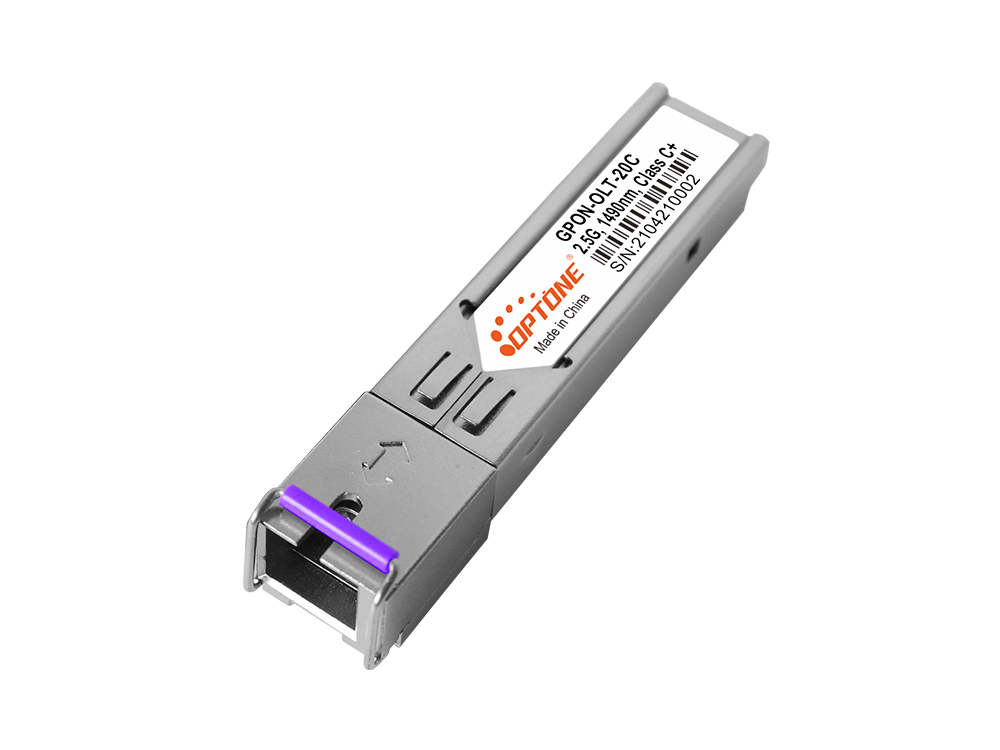
OPTONE Product Overview
Available in both GPON (Gigabit PON) and EPON (Ethernet PON) configurations, our OLT modules support various optical budgets, including Class B+ and Class C+ standards. With fully integrated digital diagnostic capabilities, low power dissipation, and a compact pluggable design, they deliver exceptional reliability for telecom operators, ISPs, and enterprise network deployments.
OPTONE Key Features & Benefits
OPTONE Key Applications
OPTONE Specifications & Ordering Information
| Part Number | Network Type | Data Rate (Tx/Rx) | Wavelength (Tx/Rx) | Max Distance | Optical TX Power | RX Sensitivity | PON Class |
|---|---|---|---|---|---|---|---|
| GPON-OLT-20 | GPON | 2.5Gbps / 1.25Gbps | 1490nm / 1310nm | 20km | 1.5 ~ 5 dBm | < -28 dBm | Class B+ |
| GPON-OLT-20 | GPON | 2.5Gbps / 1.25Gbps | 1490nm / 1310nm | 20km | 3.0 ~ 7 dBm | < -30 dBm | Class C+ |
| EPON-OLT-20 | EPON | 1.25Gbps / 1.25Gbps | 1490nm / 1310nm | 20km | 2.0 ~ 7 dBm | < -30 dBm | Standard EPON |
OPTONE OLT Interoperability Compatibility Matrix (OLT Compatibility)
This XPON SFP module has undergone rigorous laboratory and field testing, ensuring seamless interoperability with mainstream upstream OLTs (Optical Line Terminals):
Huawei: MA5600T, MA5680T, MA5683T, MA5671A series OLTs.
ZTE: C300, C320, C600 series OLTs.
FiberHome: AN5516 series OLTs.
Alcatel-Lucent / Nokia: 7342, 7360 series.
Other Brands: Third-party OLTs, mainstream backbone network equipment, and open-source/enterprise routers with SFP ports supporting standard OMCI/OAM management protocols.
OPTONE Practical Engineering Guide & Use Cases (Engineering Guide & Use Cases)
Typical Application Scenarios
FTTH Minimalist Deployment: Allows users to plug the fiber optic line directly into enterprise routers, firewalls, or soft routers equipped with SFP ports (e.g., MikroTik, Ubiquiti, Cisco, OpenWrt), eliminating the need for a bulky standalone ONT modem and power adapter.
FTTR & Campus Networks: Ideal for hotels, enterprise parks, and scenarios requiring long-distance, high-reliability direct fiber access to terminal devices.
OPTONE Certifications & Quality Compliance (Certifications & Compliance)








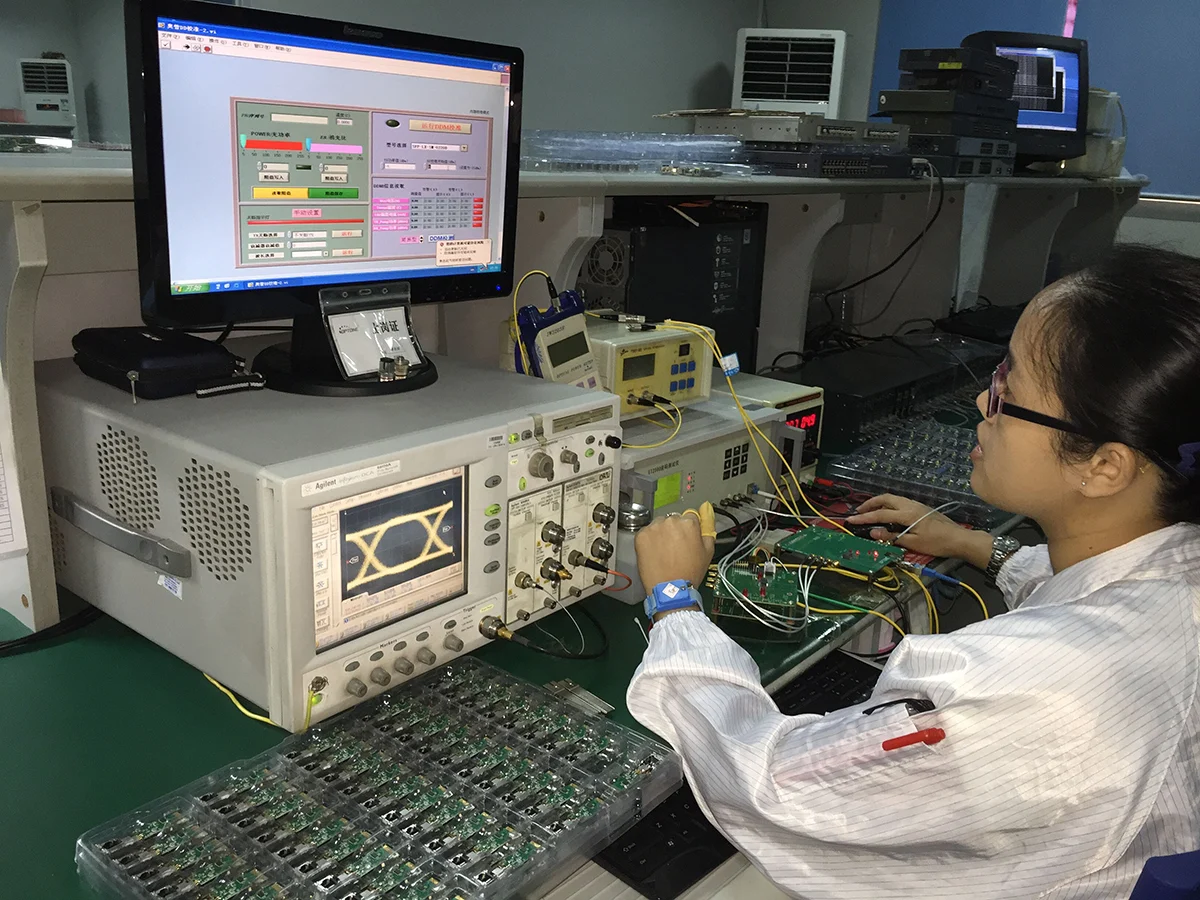

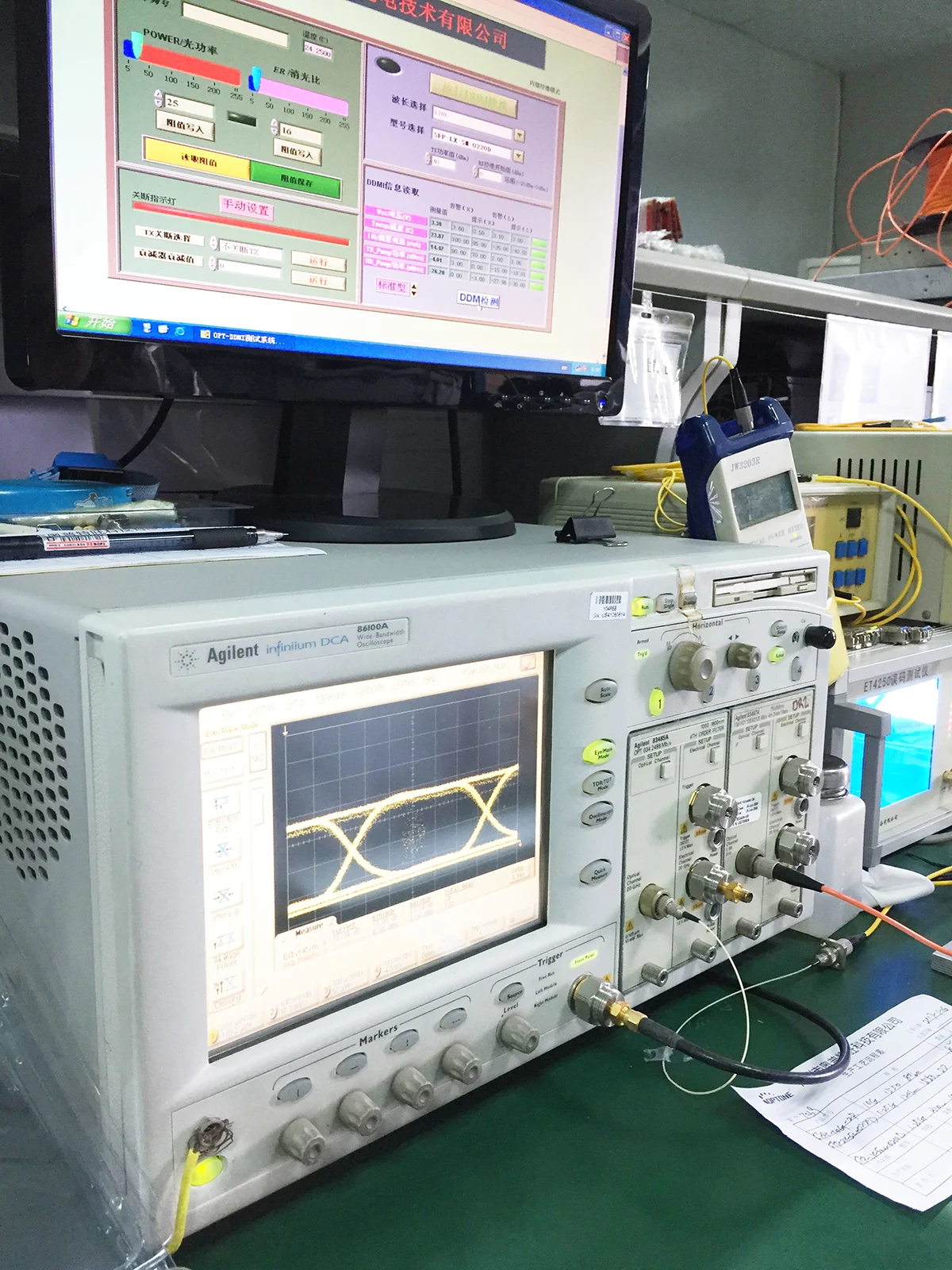
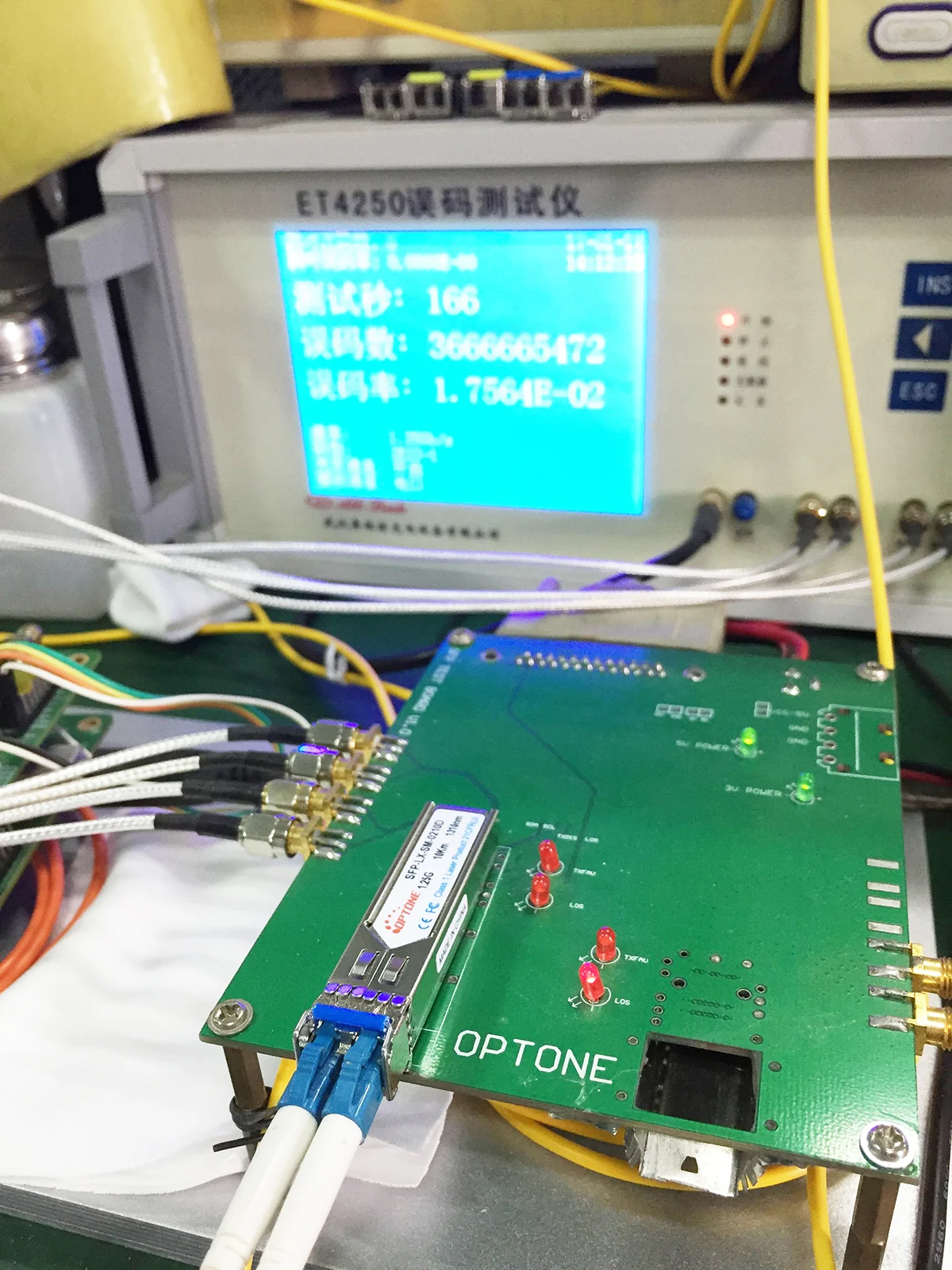

Manufactured under strict quality control management, this product complies with major international industry standards:
MSA Compliance: Strictly adheres to Multi-Source Agreement standards, ensuring 100% physical and electrical compatibility with mainstream switches and routers.
Environmental & Safety Directives: Certified with CE, FCC, and RoHS environmental compliance.
Quality Assurance: Production facilities are ISO9001 certified. Every single optical module undergoes 100% rigorous 24-hour high/low-temperature aging tests and optical performance calibrations prior to shipment.
OPTONE Expert Technical Support & Warranty (Expert Support & Warranty)
OPTONE Technical Support Team: Backed by a seasoned team of optical communication and network engineering experts. Purchasing this product gives you access to free configuration documentation and online guidance for OLT registration, VLAN setup, and troubleshooting.
Warranty Policy: Backed by a 3-Year Global Warranty. Direct hardware replacement is provided for any module failures caused by non-artificial manufacturing defects within the warranty period.
Hassle-Free Return & Exchange: Backed by responsive customer service and professional compatibility pre-consultations to ensure you choose the exact matching model for your infrastructure.
OPTONE Frequently Asked Questions (FAQ)
Class B+ provides a standard transmit power (1.5~5dBm) and receiver sensitivity (<-28dBm), suitable for typical GPON deployments with standard split ratios (e.g., 1:32 or 1:64 over shorter distances).
Class C+ offers a higher optical output power (3~7dBm) and better receiver sensitivity (<-30dBm), making it the preferred choice for long-reach applications or scenarios requiring higher split ratios (e.g., 1:128).